Winter Corrosion
By Shenron on Dec 05, 2007 with Comments 0
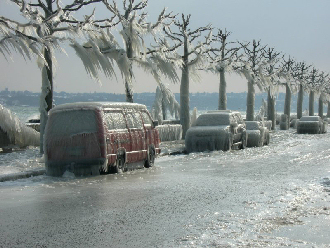
I have made a pretty big fuss so far about corrosion, and yet don’t think it has been explained in detail enough why corrosion is so bad. Well corrosion occurs as a chemical change in the alloys and metals in your vehicle, rust is a chemical reaction that creates iron oxide – that flakey brittle red stuff. Well as salts and water invade the crevices of small cracks in your cars armor, such as the metal itself or the paint, the oxidation reactions and other chemical reactions in corrosion will begin to take hold and slowly eat away under the paint. That’s why some older cars have rust bubbles under the paint – it was able to infiltrate and eat away at perfectly good metals. The winter is especially hard on the car, because the cold causes water to contract and ice to expand out, causing small cracks, the salts used to melt the ice on the road will infiltrate the cracks or through brute force when being smacked up on your vehicle can act like sand paper. The bottom of your car where your axils are, where the muffler line runs, and where some of it can be kicked up into the engine are especially vulnerable as in many cases they lack paint an protective coating.
This is where the car was becomes important. Before it gets too cold go to one, and run your vehicle through it once without anything but the basic wash – no waxes and no coatings. Once you do this inspect it, make sure it looks clean, then run it through again with the full shebang, get the undercoating, get the waxing, get it all. This way your car will have a layer of protection from the salts, and from the ice. Although the salt will eventually wear the wax down it is better to have spent 20 bucks here than to spend 200 or even 2000 bucks later because of corroded parts, mechanical failures, and touch up painting. By keeping it coated you will have the salt trapped in the coating many times – but also it will be kept away from the metal, those small cracks will be filled – preventing oxidation, and your car will have that funny just-waxed smell. If you get a break and have a few warm days in between snowy days – war enough to melt that is – go to the wash and repeat the process so you have a fresh coat. Spending a little here and there can save you hundreds to thousands in what could be repair costs.
Filed Under: General
